Category Modelling

Antonov An-2 – Introduction

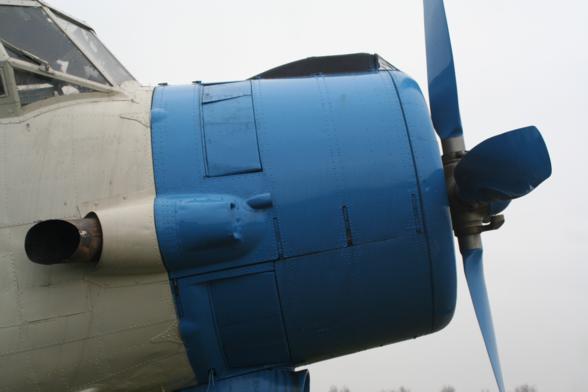
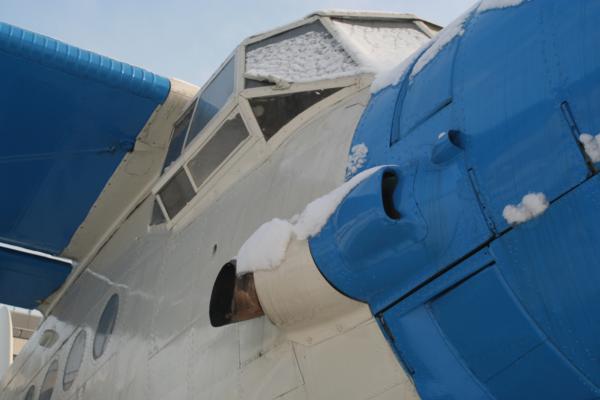
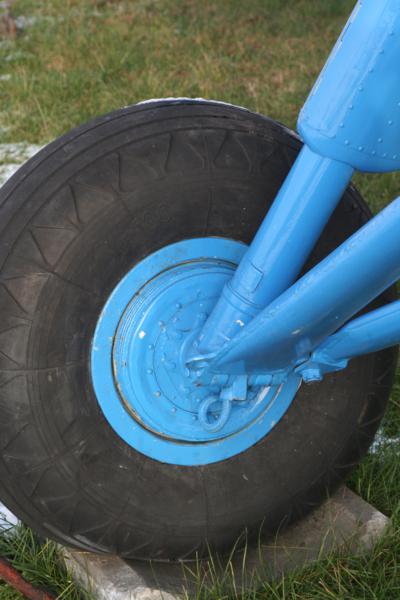
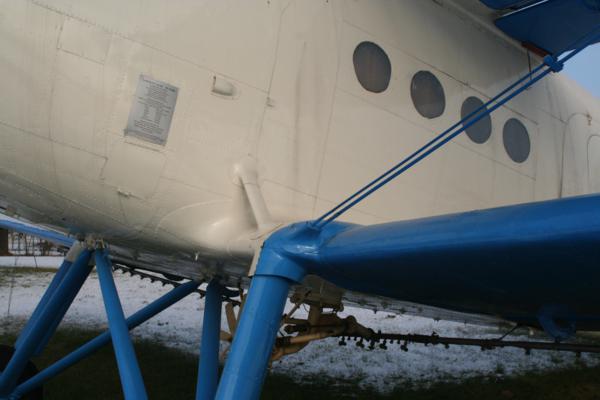
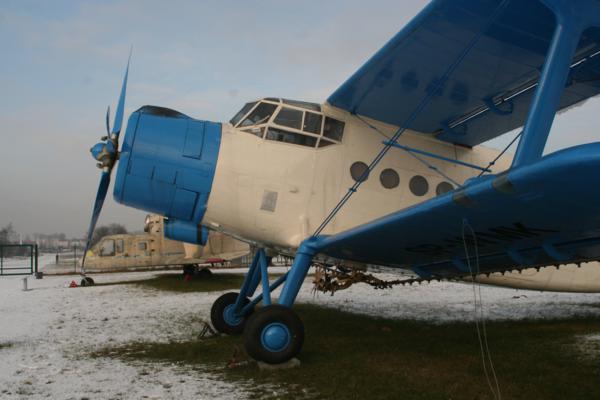
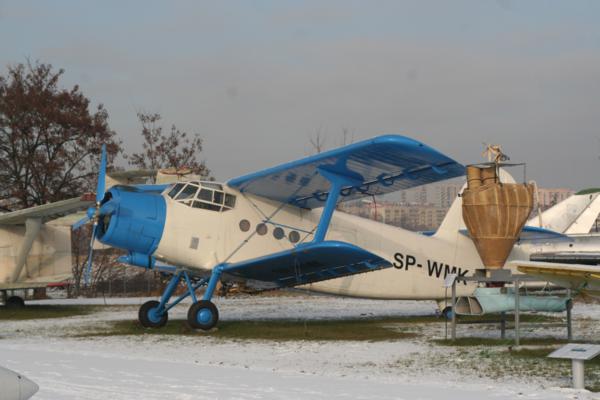
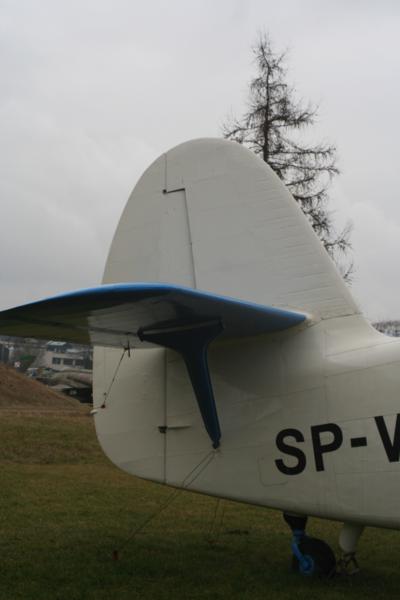
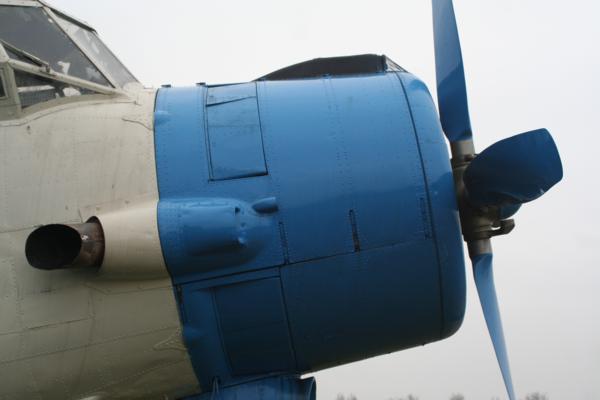
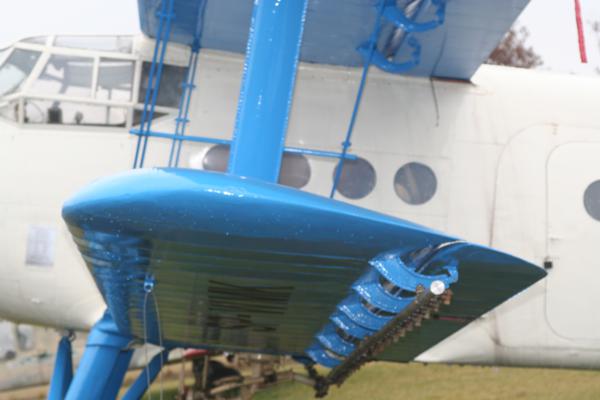
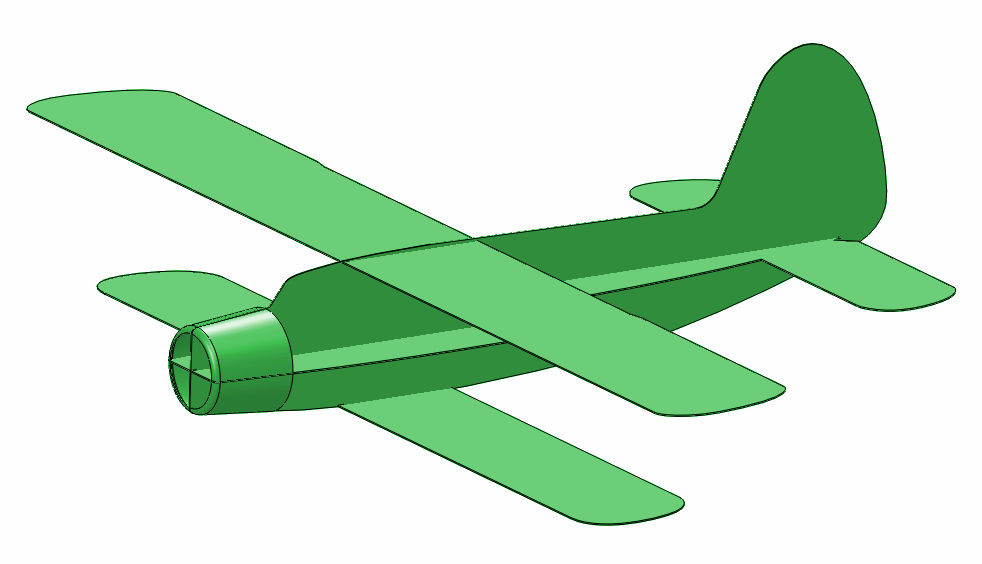
After my visit to Poland, where I saw the Antonov An-2 close-up for the first time, I have wanted to model this aircraft. The aircraft is the aviation equivalent of a farm tractor – big, strong and slow. The plane has a metal fuselage  and huge fabric covered biplane wings.


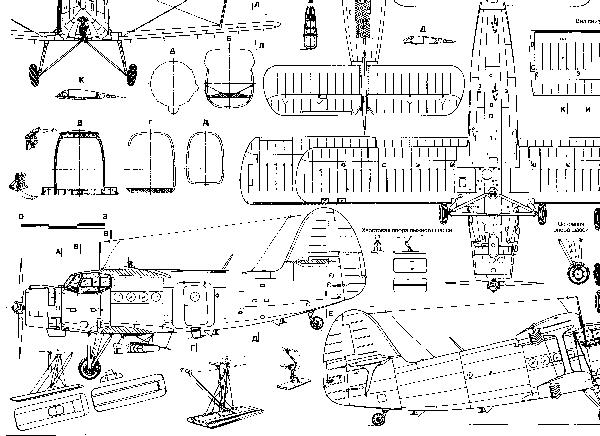
Antonov An-2 – 3-Views

There are several good 3-views on various Russian web-sites. I have picked the most detailed and will be working based on that, as well as my photo collection.


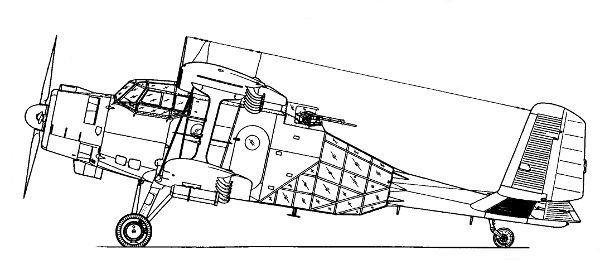
Antonov An-2 – Other versions

I have discovered a couple of really interesting versions of this airplane. One is the Antonov An-6, which is a high-altitude meteorological aircraft, and the An-2F, which is an artillery aircraft. The An-6 has a seat in the tail of the aircraft, and the An-6 has a huge glass-house half-way, and a tiny boom tail. Both are definitely worth modelling, and I have 3-views for both.

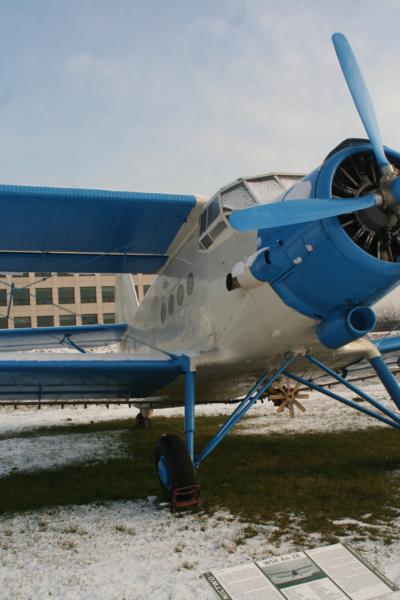
Antonov An-2 – Walk-around

This is the colour-scheme I have chosen for this amazing aircraft.

Antonov An-2 – Scale

The An-2 is one of those aircraft where a scale of 1:5 is way too big, and a scale of 1:10 is too small. After some consideration, I have decided on a scale of 1:10:

wingspan: 1,818 m
length: 1,274 m
height: 0,468 m


Antonov An-2 – Approach

The approach I will be taking, is one where the wings, and front fuselage remains identical, and the tail can be swapped, to give either an An-2, An-2F or an An-6. The An-2F in particular will require some brain-power. The mid-section of the aircraft has to be stong, yet transparent, and definitely not going to be easy to model.

Antonov An-2 – Project start

As always, I started off by scaling the 3-views and then by drawing the side and top views. This time there were no major problems with the 3-views, and it all went really smoothly.


Antonov An-2 – Fuselage lofting

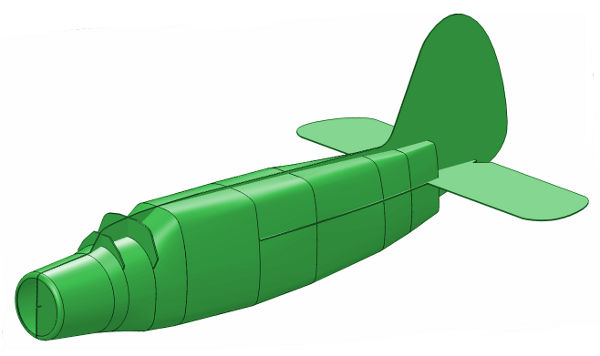
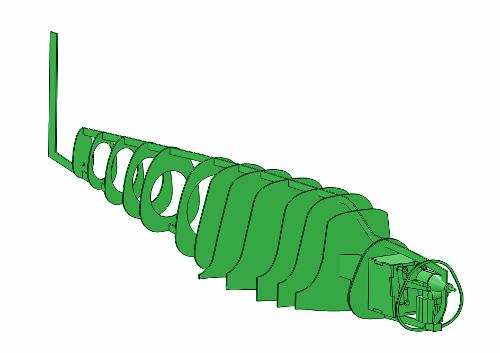
I have now lofted the fuselage, based on the fuselage formers drawn in the 3-view.

After matching the lofted pieces with the flat fuselage top and bottom views, it is quite easy to see where the fuselage formers are off. I will address those problems next, together with the glass at the cockpit area.

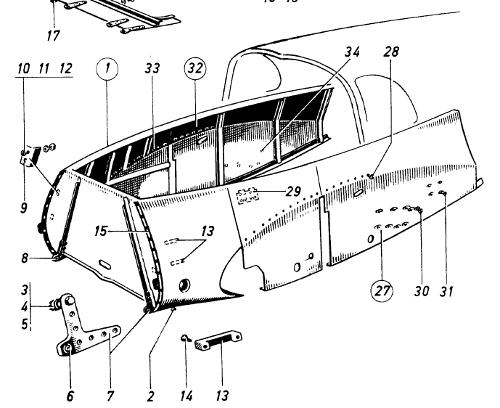
I know from experience that the cockpit glass will prove difficult, but for the Antonov An-2, with such a distinct feature, it is essential to get it right.

Antonov An-2 – Related posts

AT-6 Texan – Introduction

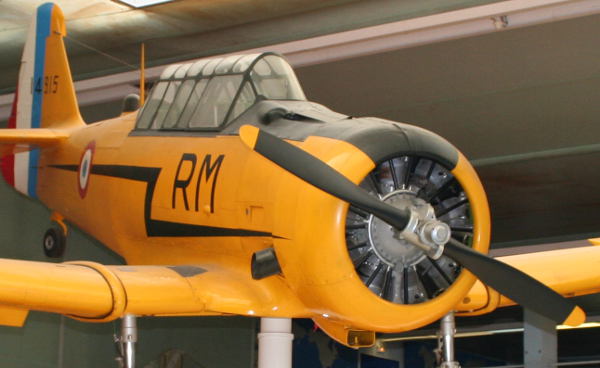
The AT-6 Texan was the world’s favourite trainer after WWII – well maybe not, but it was used in a truckload of countries, mostly because it was sold cheap as surplus.

AT-6 Texan – Scale Dimensions

I will be designing the model at a scale of 1:5, resulting in the following dimensions:

wingspan: 2560 mm (approximately 100.8″)
length: 1798 mm (78.8″)

AT-6 Texan – 3-View

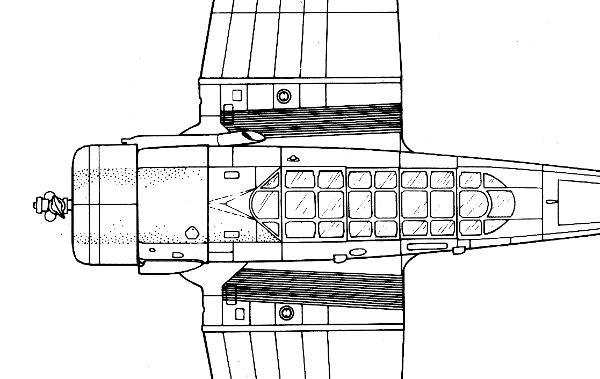
My 3-view is from a book from “Allt om Hobby” in Sweden.

AT-6 Texan – Approach

As always, I started off by scaling the 3-views and then by drawing the side and top views. This time there were no major problems with the 3-views, and it all went really smoothly.

AT-6 Texan – Related posts

AVRO 504K – Introduction

The AVRO 504K was a great flyer, and the standard allied WWI trainer. The Danish Navy owned six from 1921 to 1931.

Det Danske Luftfartselskab (Danish Airline Company) purchased two AVRO 504K in Britain during 1919, but they were never used and later sold on to the Royal Danish Army. The army acquired an additional two aircraft, and they were used until 1931. The Royal Danish Navy purchased six during 1920. A total of 5 crashes, but were substituted for the 504N.

The aircraft were flown with the typical AVRO landing gear, as well as with floats.

Some websites says the length was 29 ft, the original manufacturing drawings say 28’11”, and other sources say 29’5″. Some, like Windsock Datafile No. 28 says both.

Specifications:

Wingspan: 10.973 m
Length: 8.814 m ?
Height: 3.17 m
Empty weight: 558 kg
Max weight: 830 kg
Max speed: 145 km/h
Cruise speed: 126 km/h
Engine: Le Rhone 80 HP


AVRO 504K – 3-View

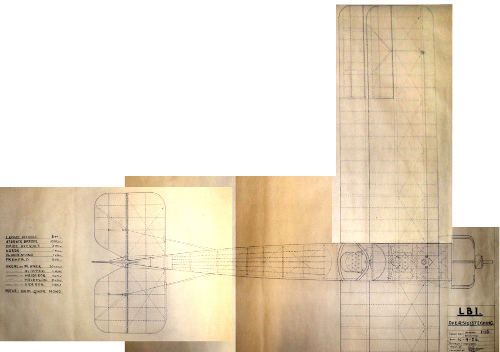
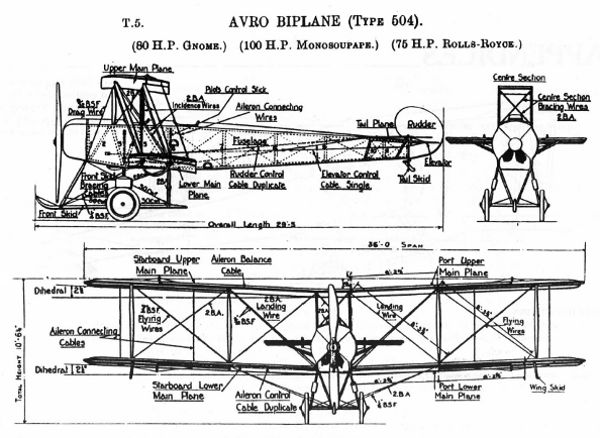
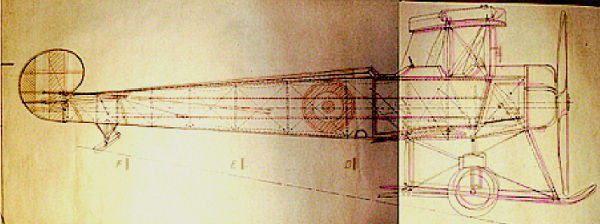
I have pieced together a 3-view from photographs I took of the original drawings from 1923. This work has been done, and I am importing them into Alibre CAD, practically as I type this. With a scale of 1:5, this model is going to have the following dimensions.

Specifications:

Wingspan: 2.194 m
Length: 1.794 m
Height: 0.634 m

AVRO 504K – Wing Profile

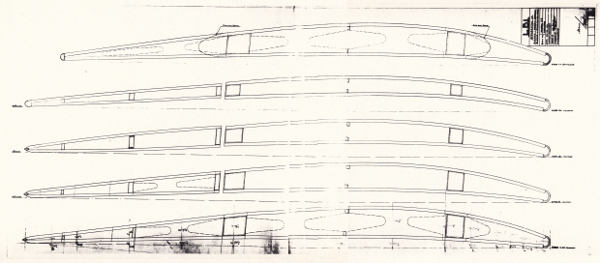
I have been looking through old books and documents to try and find the wing profile used. Eventually found that the profile changes slightly from wing-root to wing-tip.


AVRO-504K – Walk-around

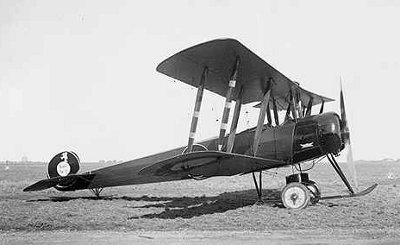
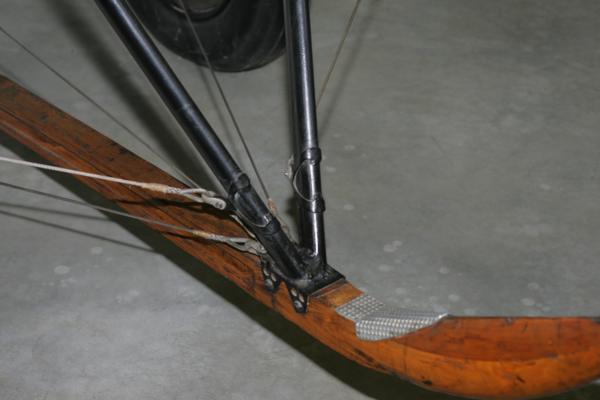
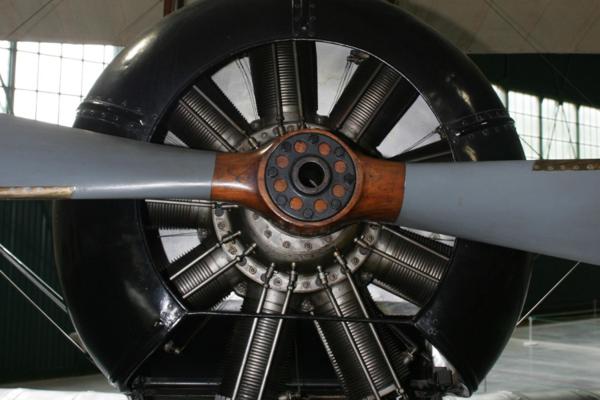
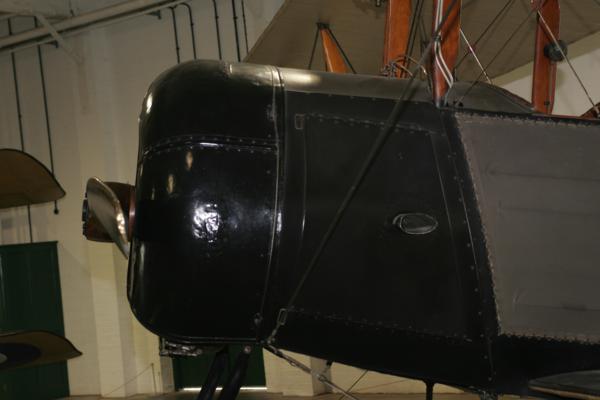
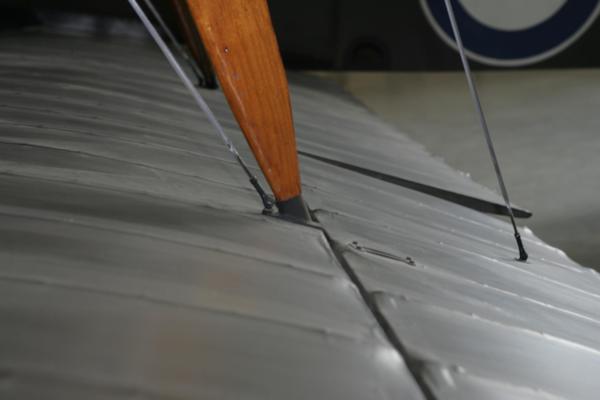
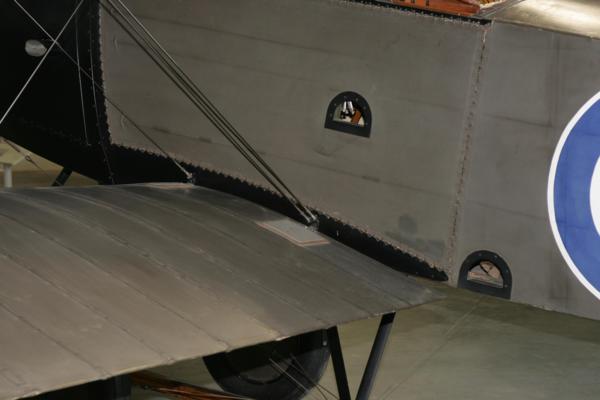
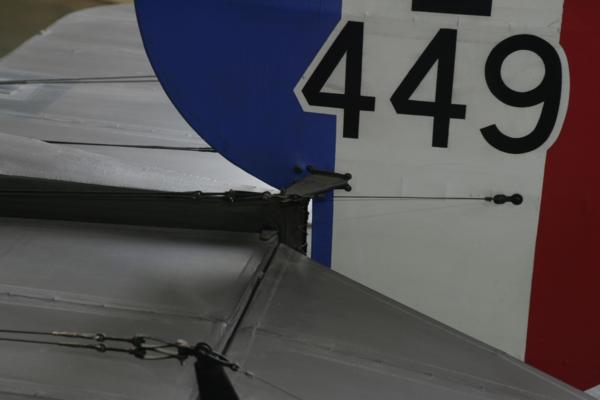
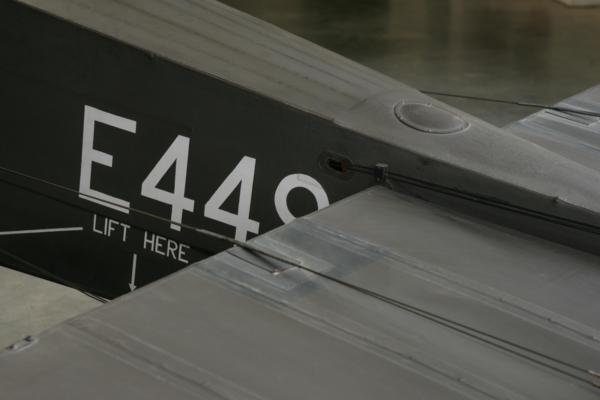
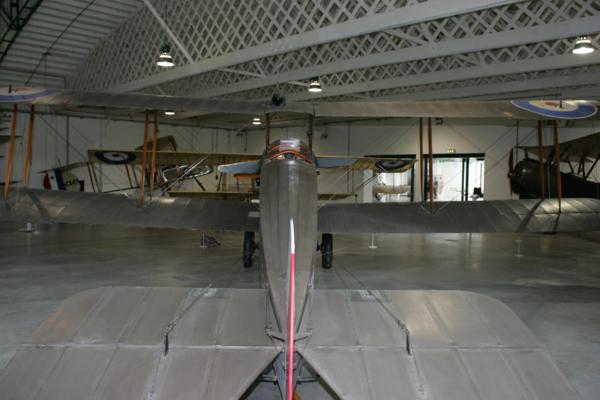
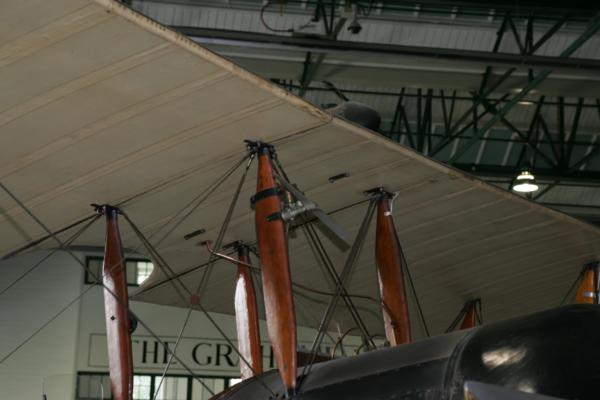
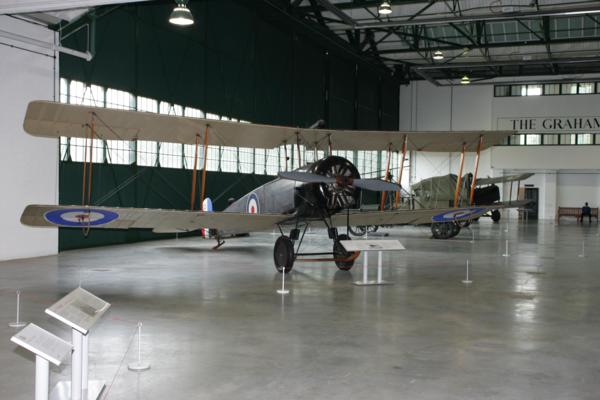
I have loads of photos of this aircraft, taken at the RAF Museum at Hendon. Here are a couple of photos from my collection.


AVRO 504K – Mk I vs. Mk II

I’ve got quite a headache at hand. The dimension on the construction drawing says 8.814 m, which is 28’11” in imperial dimensions, while Jane’s All the Worlds Aircraft from 1919 says 26’6″. Which one is correct? Where is the length measured from? The skid or the propeller?

There is also the AVRO 504K Mark II, which is an improved Mark I. The Bjorn Karlstrom drawings are of the AVRO Mk II, and by scaling up the 1:72 drawing, I get a length of 28’6″ for the Mark II.

AVRO wrote in a brochure for the AVRO 504K Mark II:

  • A New” Oleo” undercarriage is fitted.
  • An adjustable Tail Plane arranged for dual operation, enabling the machine to be trimmed for different speeds and varying loads.
  • Altered Centre Section Plane and Wing Roots, allowing a much greater range of upward and forward vision.
  • New shape Ailerons to lighten and harmonise the lateral control with the elevator and rudder controls.
  • Direct gravity feed for petrol.

From what I see, the fuselage formers are also of a different shape. The length might possible also have been reduced 6 or 12 inches.

From what I can deduct from photos of the Danish AVRO 504K, it is a Mark I. So why did they write 8.814 m on the construction drawings? It just doesn’t make sense. I need more information.


AVRO 504K – Dimensions Finally?

I finally found some original AVRO documents showing the measurements. It’s from a rigging manual. It either says 29’5″ or 29′.5 (i.e. 29’6″).

Unfortunately, the text underneath says “length: 28 ft 11 in”, so I am still none the wiser.

The difference is 7 inch – enough to make a difference!


AVRO 504K – What Size Is It?

I have now overlayed the two drawings, to see where they differ. To be honest, there is practically no difference, with the exception of:

  • Cowl fillet.
  • Wheel size.
  • Angle of skid.

As to the size, what makes one 28’11” and the other 29′ and the third 29’6″ long, is still not clear.

AVRO 504K – Related posts

AVRO 504N – Introduction

The AVRO 504N was an upgraded version of the standard British trainer, the AVRO 504K. The main difference was the new engine, which was bolted on, as opposed to the rotary engine in the 504N, plus an improved landing gear.

The model will be made in scale 1:5, which gives a model with the following dimensions:

Wingspan: – m
Length: – m
Height: – m


AVRO 504N – Improvements

The difference between the AVRO 504K and the AVRO 504N are, amongst other things:

  1. A New” Oleo” undercarriage is fitted.
  2. An adjustable Tail Plane arranged for dual operation, enabling the machine to be trimmed for different speeds and varying loads.
  3. Altered Centre Section Plane and Wing Roots, allowing a much greater range of upward and forward vision.
  4. New shape Ailerons to lighten and harmonise the lateral control with the elevator and rudder controls.
  5. Direct gravity feed for petrol.
  6. Different shaped fuselage section.
  7. 6 inch shorter (from what I see).
  8. New engine.

It is worth noting that the AVRO 504K Mark II was very similar to the AVRO 504N, but with the original rotary engine.


AVRO 504N – Blue-prints

I have the original blue-prints for this aircraft. I will have to remove details when making a model of this aircraft, just like with the H-Maskinen.

AVRO 504N – Related posts

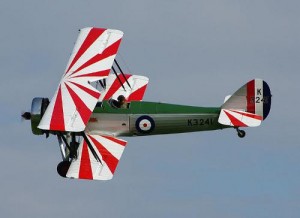
AVRO 621 Tutor – Introduction

After having seen the AVRO Tutor at the Shuttleworth Collection at Old Warden in the UK, I just had to model this great-looking, great-flying aircraft.

The AVRO Tutor was designed in the 1920’s as a replacement for the, now aging, AVRO 504K WWI trainer. It was constructed of welded steel tubes and doped linen covering. The AVRO was available with various engine installations, with and without the Townsend engine ring.

The AVRO was used in Denmark, but I think I will paint it in the UK livery. You just CAN get too many silver-doped aircraft. The AVRO Tutor in the Shuttleworth Collection is the only of its kind left in the world.

Specifications

Crew: 2
Length: 26 ft 4½ in (8.04 m)
Wingspan: 34 ft 0 in (10.36 m)
Height: 9 ft 7 in (2.92 m)
Wing area: 301 ft² (27.96 m²)
Empty weight: 1,844 lb (836 kg)
Loaded weight: 2,493 lb (1,131 kg)
Maximum speed: 104 kn (120 mph, 193 km/h)
Cruise speed: 84 kn (97 mph, 156 km/h)
Range: 250 mi (402 km)
Service ceiling: 16,000 ft (4,877 m)
Rate of climb: 910 ft/s (4.6 m/s)
Engine: 1 × Armstrong Siddeley Lynx IVC, 240 hp (180 kW)


AVRO 621 Tutor – Related posts

AVRO 621 Tutor – 3-View

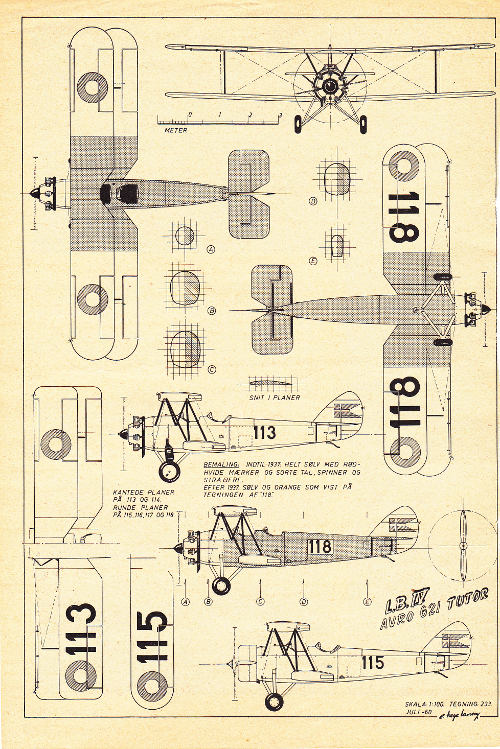
The 3-view for this aircraft is fairly detailed, and comes from a 1940’s Swedish model airplane book. It was drawn by Karlstrom Tage Larsen and is quite detailed. Together with the photos I took at Old Warden, I should be ready to go.

Berg & Storm III – Introduction

Although I prefer the Berg & Storm II, I have decided to model the Berg & Storm III, simply because of the large amount of information that I have collected. I now have in my possession a detailed 3-view of this plane, plus close to 100 photos.

If I succeed, I might try my luck with the Berg & Storm II. The main differences are the wing profile, wing span and the inclusion of an additional seat in the Berg & Storm III. The additional seat also meant a change in petrol tank location.

For more information regarding the Berg & Storm aeroplanes, please see here.

This will be my first R/C plane with wing-warping.

Berg & Storm III – 3-View

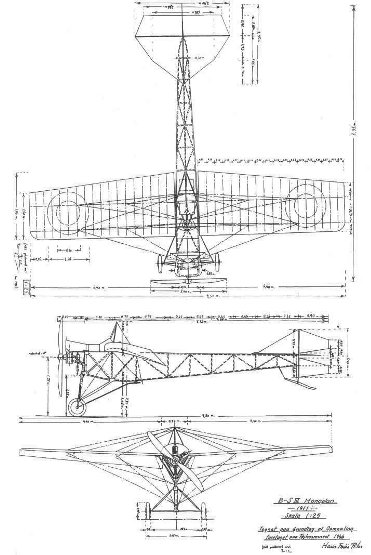
This is the 3-view of the Berg & Storm III. It was created using measurements of the actual aircraft.

The overriding problem is how to do the wing-warping. I could of course construct the aeroplane exactly like the original, but what materials would work? I will need something flexible. The original used Ash wood.

Berg & Storm III – Inspiration

It turns out that the B&S III has already been modelled – wing warping and all. The model is now hanging from the ceiling at Danmarks Tekniske Museum, in Helsingør, Denmark, and looks absolutely amazing, not that it’s going to stop me from modelling it as well.


Berg & Storm III – Related posts

Bf-108 Taifun – Introduction

The Bf-108 Taifun was the first stressed-skin general aviation aircraft and was way ahead of its time. The knowledge learned on the Bf-108 was used to design the Bf-109 – The main German fighter of WWII.

Several models were developed. Basically the only difference was the engine and propeller used. I will be modelling the B version with the same argus engine used in the Fieseler Storch. The similarity between the Bf-108-B and Storch cowlings are striking.

The Bf-108 was initially produced in Germany, but later on in the war, in France as the Nord 1002 Pingouin.

Many BF-108’s are still flying today.

Specifications:

Wingspan: 10.5 m
Length: 8.3 m
Height: 2.3m
Weight Empty: 860 kg
Engine: Argus AS10
Max Speed: 315 km/h
Range: 1000 km

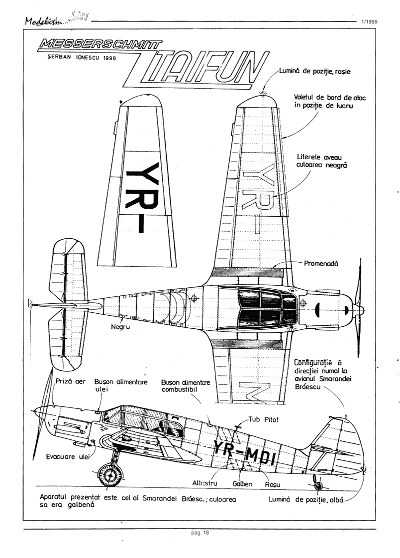
Bf-108 Taifun – 3-Views

First step is always to import the 3-views into Alibre and scale them. All my planes are scale 1:5 and this is no exception. I won’t go into details here, except that I have a really detailed 3-view with lots of formers, so this should be a really quick design. It is a step up from my previous designs, in that it has a retractable landing gear.

Scale dimensions:

Wing Span: 2.10 m
Length: 1.66 m
Height: 0.46 m

Bf-108 Taifun – Fuselage Formers

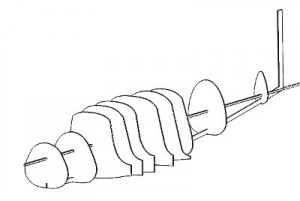
Drew the fuselage formers.

The 3-view that I am working from has a lot of formers on it. Unfortunately they are a bit “out of shape” and needs to be cleaned up a bit.

My initial attempt of making an assembly was to fixed the formers onto a center crutch drawn in middle of each former where the thrust-line is situated. This is the easy way, as the thrust-line is on all the 3-views. However, it’s not possible in real life to align anything this way, as it will cut through the cockpit. So, I used the side-view to draw the buttom of the fuselage and use that as the longeron crutch.

Next step is draw the engine box, cut out the cockpit windows and the cockpit ‘pit’.

Then we need to add cut-outs for longerons. Finally we can add lightening holes in all formers

Bf-108 Taifun – Finally a Book

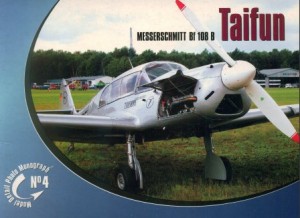
Found this gem of a book in a second-hand book store. Should be here in a week or so.

Bf-108 Taifun – Motor Mount

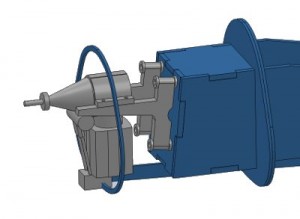
After adding the remaining fuselage formers and cleaning up their shapes, I drew a motor box. The prop is quite high up in the cowl and with a little help from my friends, I found a solution:  Mount the Dubro engine mount upside down and angle the firewall.

The result is rather good. Although the Dubro engine mount is @#$#%*^ expensive at $35, this is a very viable solution. I might cut my own engine mount out of a piece of aluminium to save some money.

The motor mount box is of interlocking construction to distribute the thrust throughout the airframe.

The engine is the OS FS91S II, but I might change it to a Saito150. The original plane uses an Argus engine which is a V8. I initially wanted to angle the engine inside the cowl and make a dummy cylinder to make it look like a V8, but there is no room. I’ll have to make a “dummy” Argus engine instead.

So far I have spent 2 days on this, on and off.

Bf-108 Taifun – More Information Coming

I have contacted a Bf-108 expert in Germany. I should receive a truckload of information about this airplane within a couple of weeks. YAY!


Bf-108 Taifun – Fuse clean-up

I wanted to start working on the wings of this aircraft today, but discovered that the fuselage formers did not align up properly. So, I had no choice but to clean up the fuselage formers first. I know it looks quite similar to before, but now it should be straight and with smooth transitions between each former.

Bf-108 Taifun – Finally some information

I have finally received confirmation from Germany that the documents for this aircraft are on their way. It should be possible to continue soon.

Bf-108 Taifun – Info from Germany

I finally received spare parts catalogs, technical manuals and pilots notes for this aircraft from a guy Germany. There are almost 2000 pages, but not a single manufacturing drawing. However, the information is still very useful, particularly when it comes to the detailing of the model.

Bf-108 Taifun – Walk-around

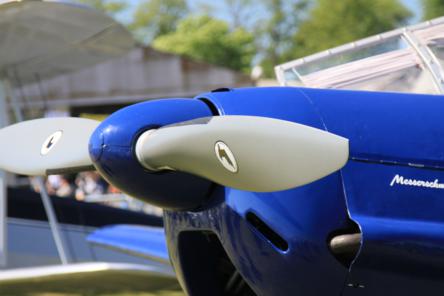
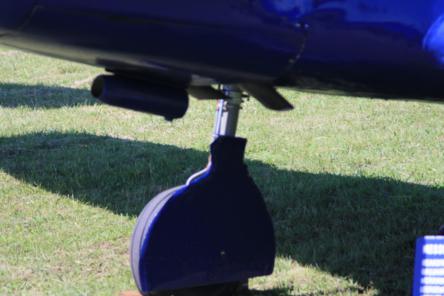
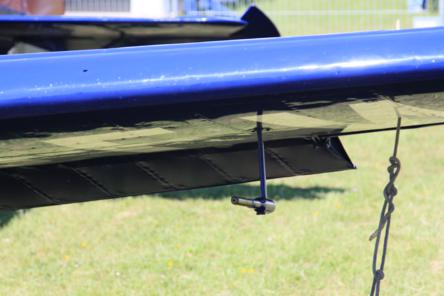
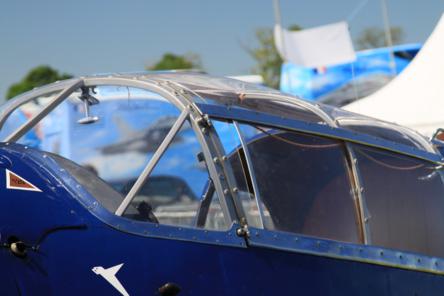
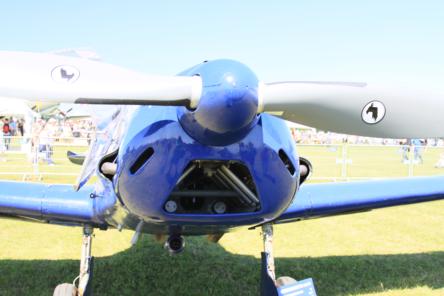
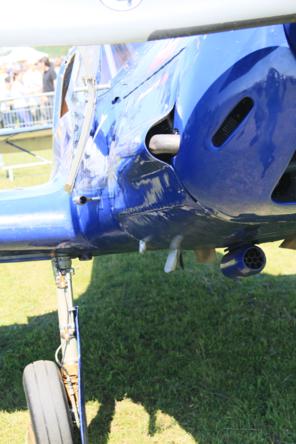
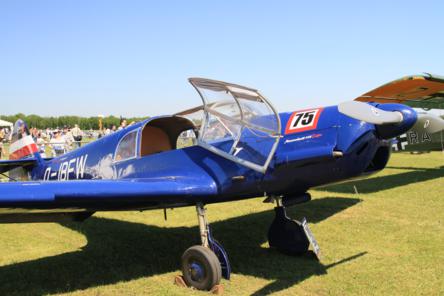
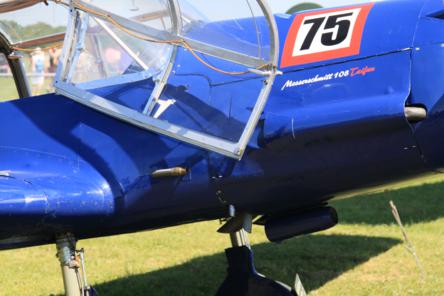
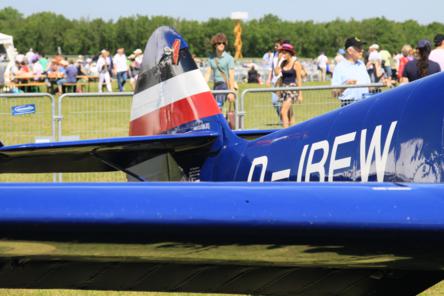
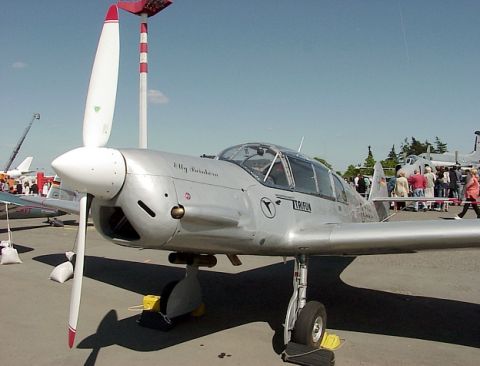
The Bf-108 Taifun was amongst one of the aircraft at the Amicale Jean-Baptiste Salis 2012 fly-in, and I now have a really good walk-around of the Bf-108 which will come in handy later on in the build.

Bf-108 Taifun – Problems

I have tried lofting the front part of the fuselage, and the first former after the firewall is completely off. I think the best way is to remove the wing fairings from the fuselage formers and redo the first former.

Bf-108 Taifun – To-do List

  • Clean up fuselage.
  • Loft area before windscreen where fuselage goes from concave to convex.
  • Fuselage stringes.
  • Elevators.
  • Rudder.
  • Empenage area.
  • Wings.
  • Wing attachment area.
  • Cowl.
  • Landing gear.
  • Landing gear attachment area.
  • Lumps and bumps.
  • R/C Scale installation.
Bf-108 Taifun – Related posts

Blackburn A.D. Scout – Related posts

Blackburn A.D. Scout

Coming soon…

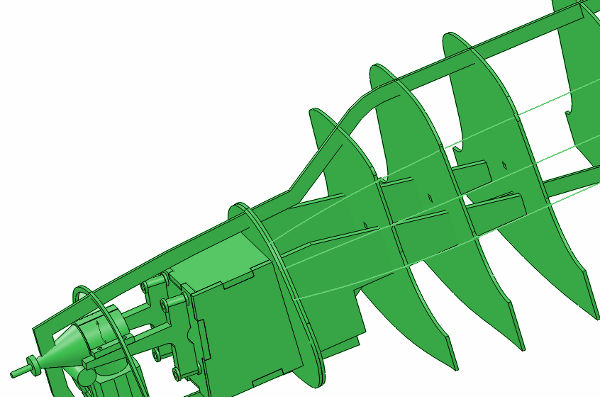
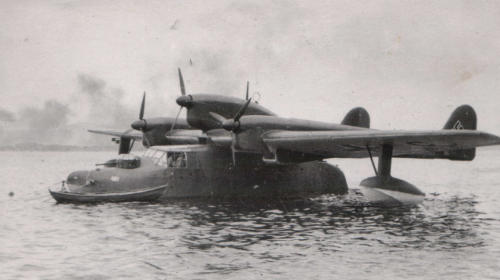
Blohm & Voss BV-138 – Introduction

The Blohm & Voss BV-138 was a long-range recognaissance flying boat. The configuration was of a central boat with twin tail-booms. The first prototype was manufactured in March 1935. The prototypes was not stable and has structural problems in rough seas. It was decided to redesign the aircraft, and the first aircraft flew for the first time in February 1939. The first order was for 25 pieces, some of which were used during the occupation of Denmark and Norway. Additional armament was later fitted, bringing the version number to BV-138 B-1.

The aircraft were deployed in the North Sea and in the Atlantic during 1940-1941. An improved version, the BV-138 C-1 entered production during March 1941. This differed slightly externally and was powered by three 12-cylinder Junkers Jumo 205D diesel engines.

Some BC-138s were converted for mine-detection and designated the BV-138 MS. They were equiped with a large magnetically sensitive ring, and lacked armament.

A single BV-138 exists in a Museum in Helsingør in Denmark.

Specifications:

Length: 19.85 m
Wingspan: 26.95 m
Height: 5.90 m
Powerplant: 3 x Junkers Jumo 205D or 3 x Junkers Jumo 250 C
Maximum speed: 275 km/h
Range: 4,500 km
Service ceiling: 5,000 m
Armament: 2 x MG 151 20mm machine cannons, 1 x MG 131 13mm machine gun, 3 x 50 kg bombs.


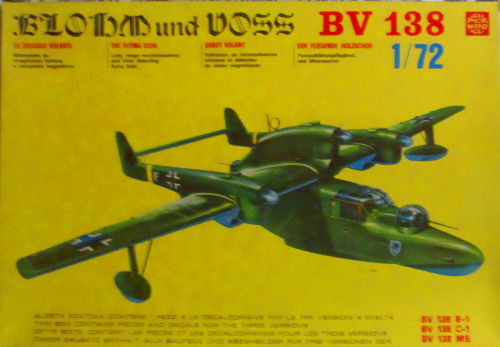
Blohm & Voss BV-138 – Plastic Kit

I found an old plastic kit of the BV-138 from SuperModel at the local hobby shop. It has been there since the 1980’s. Apparently this aircraft is so ugly than noone wants to buy it. Lucky me! The kit is really really detailed and will surely be of great use to me.


Comments

  • Ton  says:

    Do you have an info about the Avro 504N cockpit? Is that the same on 504K?


Leave a reply